

Satyajit Ray’s Devi: Was It Called Anti-Hindu, and What Did Ray Say?
Some critics called Satyajit Ray's 1960 film Devi an attack on Hinduism. Ray said it targeted superstition and fanaticism. The record, and the claim we could not source.

Follow for the next update
Never miss a Bengali release. We ping you for new films, big scores and the Friday digest. One tap to stop.
Films in this article
 4.7
Pather Panchali
1955 · Drama, History
 4.4
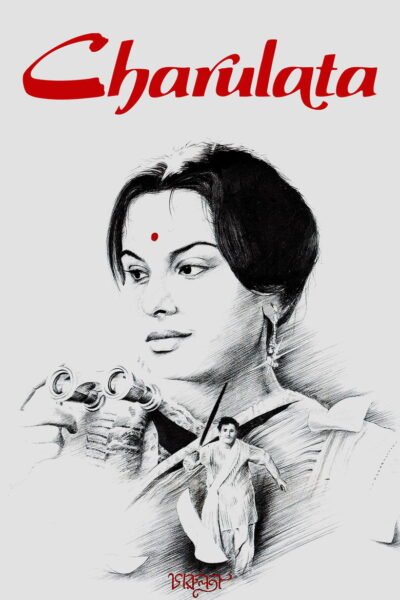
Charulata
1964 · Drama, Romance
 2.5
DeSu7
2026 · Action, Drama
Facts below are taken from published sources available on 20 October 2026.
Satyajit Ray’s Devi (1960) is about a young woman declared to be an incarnation of the goddess Kali by her father in law. It has been called one of his strongest films, and also one of his most argued over.
The controversy
According to a Seattle Times retrospective and film scholarship, the film caused considerable controversy in India, where some people saw it as an attack on Hinduism. Ray’s answer, recorded in an interview, was that the target was religious fundamentalism and superstition, not religion itself, and he dismissed newspaper critics who described him as a non-Hindu making anti-Hindu films. The Cinematheque notes that the government sought to prevent the film’s export until Prime Minister Nehru intervened. See The Wire and Chandak Sengoopta’s 2023 article in Religions for the scholarly debate.
The charanamrit claim
We were asked about a claim involving charanamrit, the ritual offering, in Ray’s work. We found no published source linking Ray or a Ray film to it, only general explainers on the ritual. We will not repeat it without a source.
Where to start
Ray’s films on this site are ranked by critics on his page, including Pather Panchali and Charulata.
Questions people ask
Was Devi banned?
One source says the government sought to prevent its export until Nehru intervened. We did not find a record of a domestic ban.
What was Devi about?
A woman is believed by her family to be a goddess; the story follows what that belief does to her.